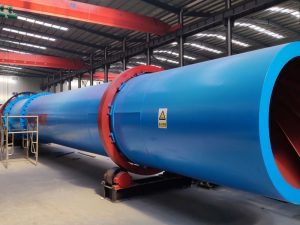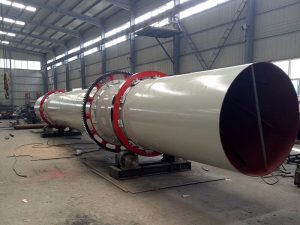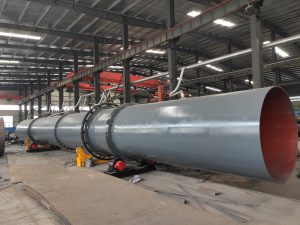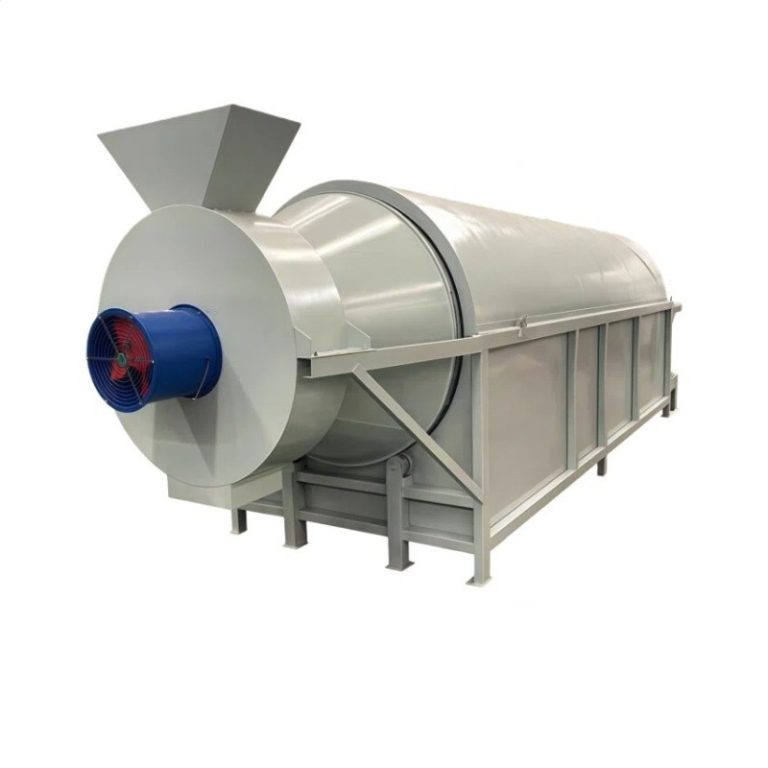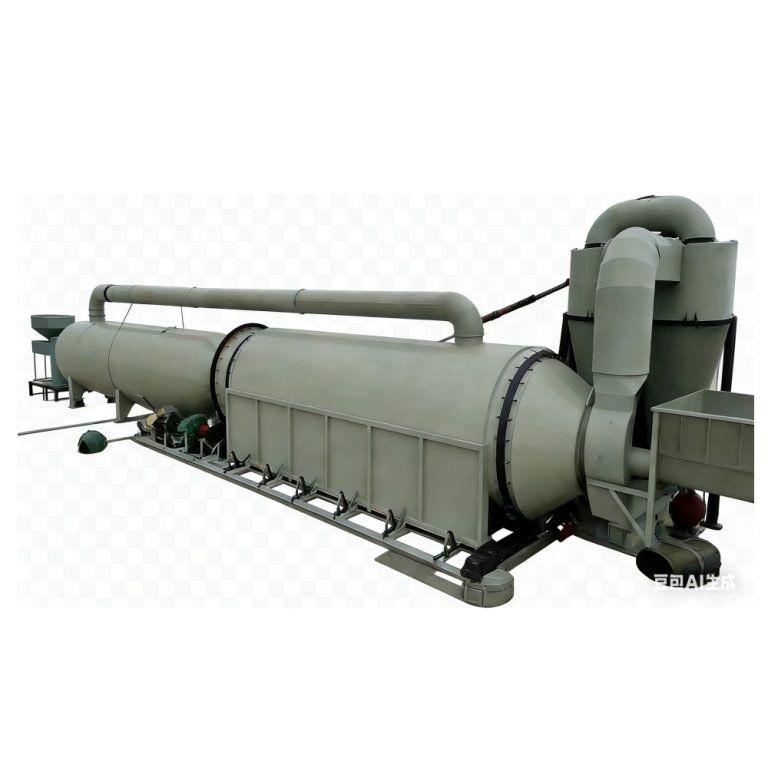

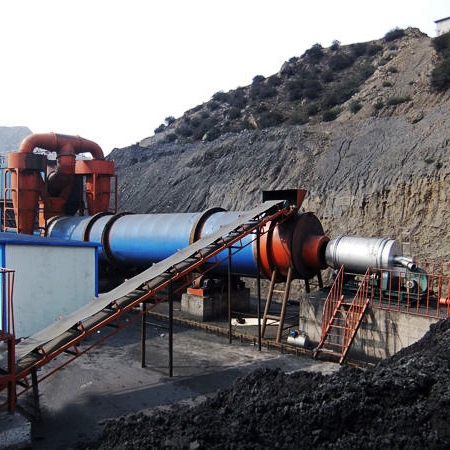
Lignite Dryer – Product Introduction
Discharge Moisture Content: ≤ 13%
Processing Capacity: 2 – 50 t/h
Application Scope: Energy, chemical engineering and fertilizer industries
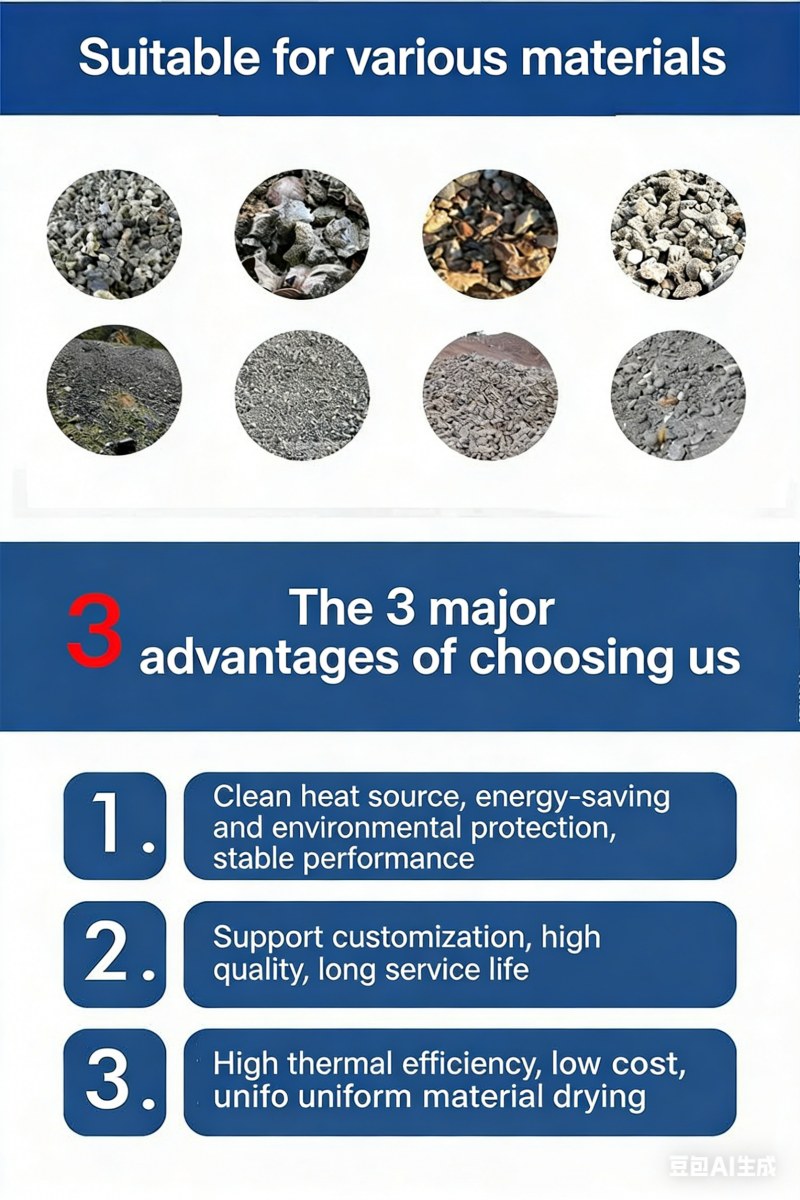
Applicable Materials: Suitable for drying materials in industries such as cement, mining, building materials, chemical engineering, grain and compound fertilizer production
Lignite Dryer – Product Advantages
- High Drying Intensity & Excellent Finished Product QualityBoasting high drying intensity and remarkable drying effect, it can reduce the moisture content of materials from 20% – 40% to below 12%, with the finished product granularity reaching around 10 mm.
- Large Processing Capacity & Customizable Solutions
It has a large processing capacity, with the maximum single – machine capacity up to 100 t/h. A complete product series covering 10 – 100 t/h has been formed, and customized solutions can be provided according to user requirements.
- Two – Stage Dust Removal & Environmentally Friendly Performance
It achieves a high level of pollutant emission control. The drying system adopts a two – stage dust removal process combining cyclone dust removal and wet dust removal, resulting in low emission concentration that meets environmental protection standards, thus realizing clean and eco – friendly operation.
- Automatic Control & Easy Operation
With high automation and system integration levels, it is equipped with a fully automatic intelligent monitoring system. This system conducts real – time monitoring and adjustment of key parameters such as temperature and pressure at the hot blast stove furnace, dryer inlet, dryer outlet and induced draft fan inlet, ensuring simple and convenient operation.
Lignite Dryer – Working Principle & Process Flow
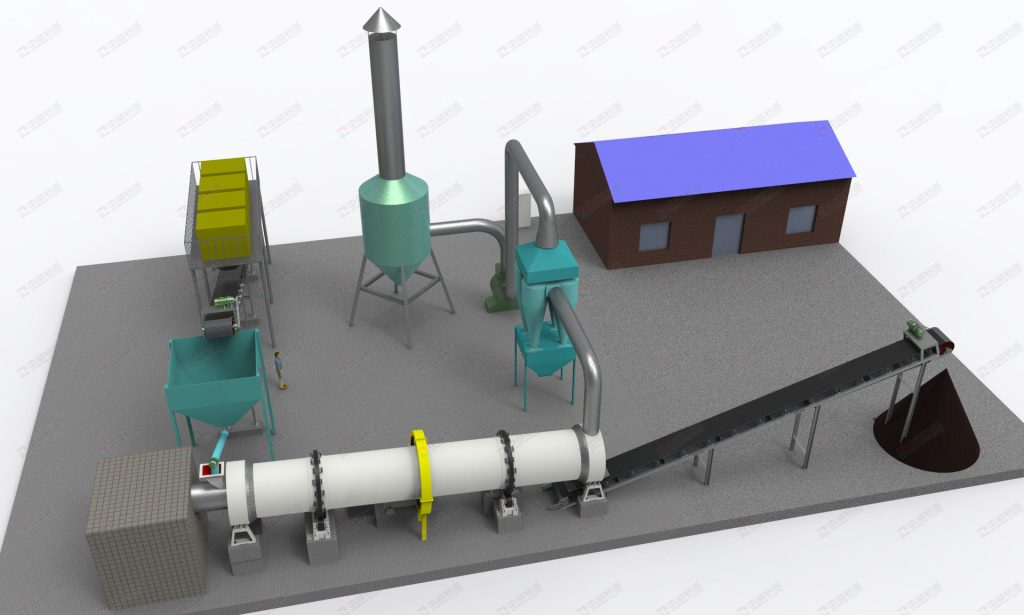
- Material Guiding Zone: When wet lignite enters this zone and comes into contact with high – temperature negative – pressure hot air, a large amount of moisture is quickly evaporated. Under the action of the lifting plates with large guide angles, the lignite is guided to the next zone without caking.
- Cleaning Zone: In this zone, wet lignite is lifted by the lifting plates to form a material curtain. When the material falls, it tends to adhere to the drum wall. Thanks to the cleaning device designed in this zone, the lignite caked on the drum wall can be quickly removed. Meanwhile, the cleaning device also crushes the agglomerated material lumps, increasing the heat exchange area, improving heat and mass transfer efficiency, and boosting the drying rate.
- Inclined Lifting Plate Zone: This is a low – temperature drying zone. At this stage, the lignite is already in a loose state with low moisture content and no longer has adhesion. After heat exchange, the finished product meets the required moisture standard and moves to the final discharging zone.
- Discharging Zone: There are no lifting plates in the drum of the drying host in this zone. The material rolls and slides to the discharge port, completing the entire drying process.
Lignite Dryer – Technical Parameters
| Product Specification (m) | Processing Capacity (t/h) | Motor Model → Power (kw) | Reducer Model | Feed Moisture Content (%) | Fuel Coal Calorific Value (kcal/kg) | Discharge Moisture Content (%) |
|---|---|---|---|---|---|---|
| Φ1.2×10 | 2.5-3 | M160M-6→7.5 | ZQ350Ⅱ-25 | 25±5 | ≥5500 | ≤13 |
| Φ1.5×14 | 7-9 | Y180L-6→15 | ZQ400Ⅱ-31.5 | 25±5 | ≥5500 | ≤13 |
| Φ1.5×18 | 9.5-12 | Y180L-6→15 | ZQ400Ⅱ-31.5 | 27±5 | ≥5500 | ≤13 |
| Φ1.8×14 | 12-15 | Y200L-6→18.5 | ZQ400Ⅱ-31.5 | 25±5 | ≥5500 | ≤13 |
| Φ1.8×18 | 14-18 | Y200L1-6→18.5 | ZQ400Ⅱ-31.5 | 27±5 | ≥5500 | ≤13 |
| Φ2.0×18 | 18-22 | Y200L2-6→22 | ZQ50Ⅱ-31.5 | 25±5 | ≥5500 | ≤13 |
| Φ2.0×20 | 18-23 | Y200L2-6→22 | ZQ50Ⅱ-31.5 | 30±5 | ≥5500 | ≤13 |
| Φ2.2×18 | 21-25 | Y200L2-6→22 | ZQ65Ⅱ-31.5 | 27±5 | ≥5500 | ≤13 |
| Φ2.2×20 | 22-25 | Y225M-6→30 | ZQ65Ⅱ-31.5 | 30±5 | ≥5500 | ≤13 |
| Φ2.4×20 | 25-29 | Y225M-6→30 | ZQ75Ⅱ-31.5 | 27±5 | ≥5500 | ≤13 |
| Φ2.4×22 | 26-30 | Y225M-6→30 | ZQ75Ⅱ-31.5 | 30±5 | ≥5500 | ≤13 |
| Φ2.6×20 | 28-33 | Y250M-6→37 | ZQ85Ⅱ-31.5 | 25±5 | ≥5500 | ≤13 |
| Φ2.6×24 | 29-35 | Y250M-6→37 | ZQ85Ⅱ-31.5 | 30±5 | ≥5500 | ≤13 |
| Φ3.0×20 | 45-50 | Y280S-6→45 | ZQ100Ⅱ-31.5 | 25±5 | ≥5500 | ≤13 |