
Product Introduction
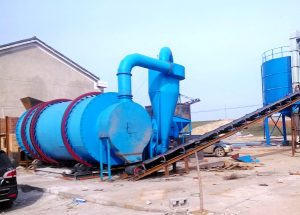
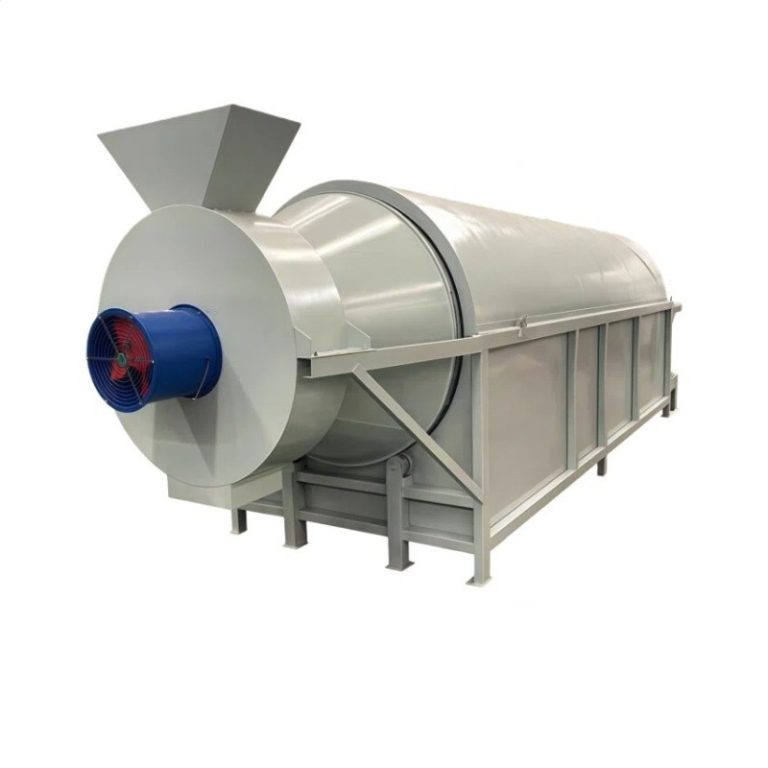
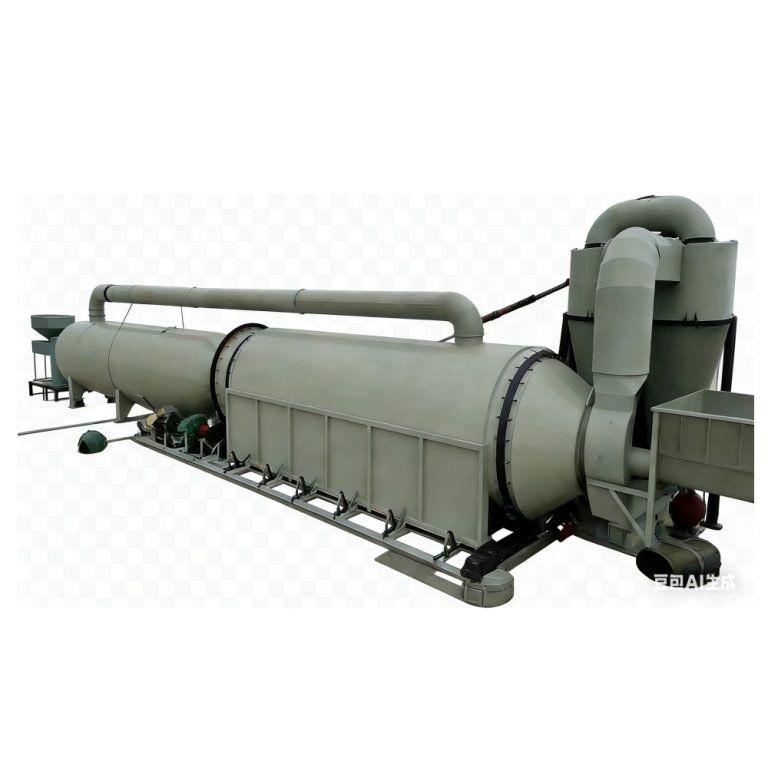
The sand dryer is mainly used for drying granular materials within a certain humidity range, such as yellow sand for the dry-mix mortar industry, molding sand of various specifications for the foundry industry, blast furnace slag for the building materials and cement industry, and small-grained clay. It is also applicable for drying small-particle materials in the chemical industry that do not undergo chemical changes and are not susceptible to contamination by high temperatures, smoke and dust. According to the moisture requirements of dried materials in different industries, the moisture content of the dried materials can be reduced to below 0.5%.
Feed Particle Size: ≤50mm
Processing Capacity: 0.5–100 t/h
Application Scope: Construction, building materials, foundry, smelting, chemical industry, etc.
Applicable Materials: Various types of sand, molding sand, quartz sand, river sand, yellow sand, river sediment, sea sand, ore sand, iron powder, copper slag, blast furnace slag, etc.
Processing Capacity: 0.5–100 t/h
Application Scope: Construction, building materials, foundry, smelting, chemical industry, etc.
Applicable Materials: Various types of sand, molding sand, quartz sand, river sand, yellow sand, river sediment, sea sand, ore sand, iron powder, copper slag, blast furnace slag, etc.


Product Advantages
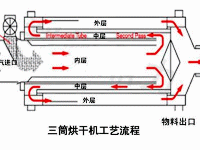
- Three-pass drying structure ensures high energy efficiency and reduced floor space.
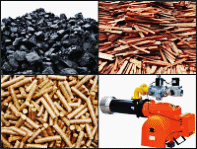
- Compatible with multiple fuels including anthracite, bituminous coal, coal gangue, oil and gas.
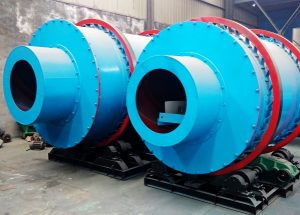
- Zero air leakage, completely solving the long-standing sealing challenge.
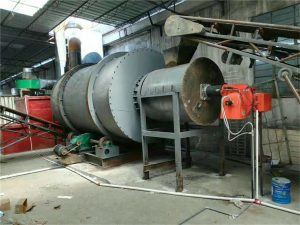
- Discharge temperature is no higher than 60°C, allowing direct storage into silos without additional cooling procedures.
- Wear-resistant equipment components and high thermal efficiency.
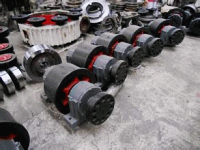
- Lower civil engineering investment and convenient installation.
Working Principle & Process Flow
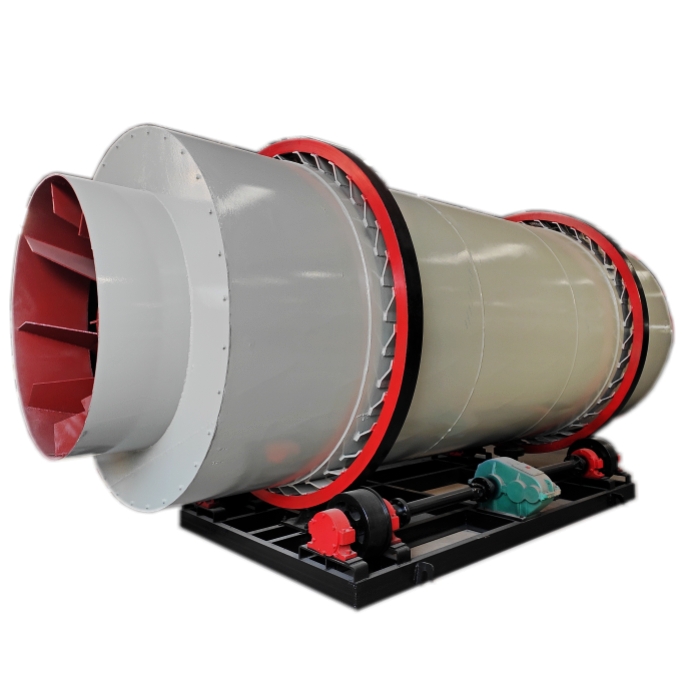
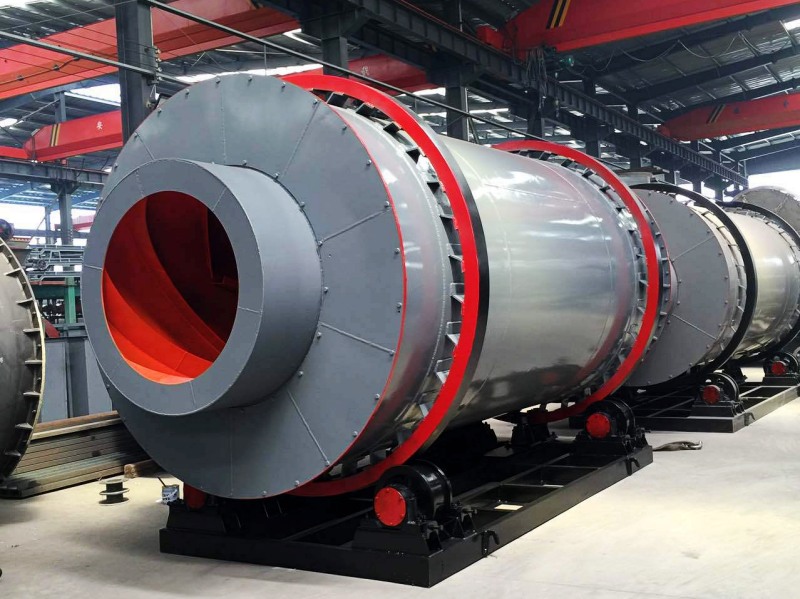
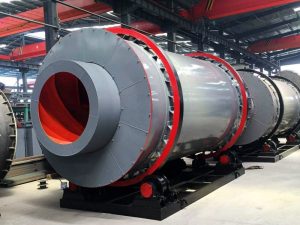
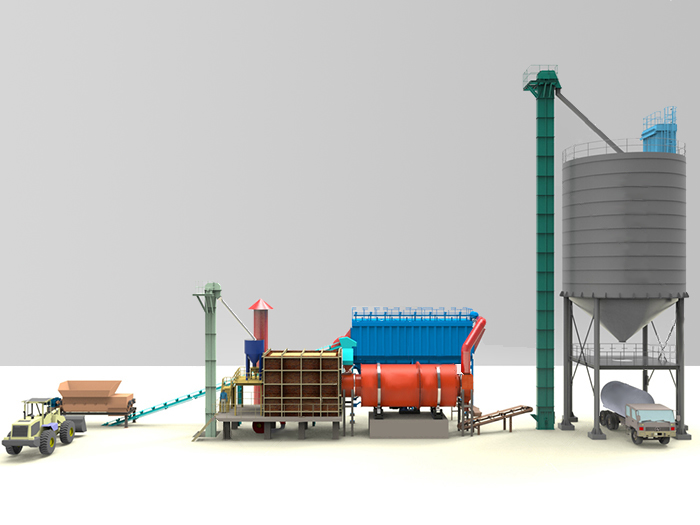
Our sand dryer adopts advanced imported technology and consists of three concentric cylinders with different diameters, nested and combined in accordance with specific mathematical relationships and structural designs. Based on the principle of thermodynamics, the cylinders are equipped with lifting plates and material guide plates at different angles and intervals. This structure ensures that the materials to be dried move along the spiral direction under gravity, maintaining sufficient residence time and full dispersion inside the cylinders. As a result, the materials undergo thorough heat exchange with the hot airflow from the combustion chamber, eliminating the defects of conventional dryers such as small heat exchange area and low unit volume evaporation intensity caused by air pockets in the cross-section.
The special triple-cylinder structure enables the inner and middle cylinders to be surrounded by the outer cylinder, forming a self-insulating system. The heat emitted from the surfaces of the inner and middle cylinders is reused for the heat exchange of materials in the outer cylinder. Meanwhile, the outer cylinder is located at the low-temperature end of the hot airflow, significantly reducing the heat dissipation area and heat energy loss of the entire equipment. The energy-saving triple-cylinder dryer can fully utilize waste heat, reduce heat dissipation loss, and increase heat exchange area, thereby greatly improving the unit volume evaporation intensity of the dryer. This effectively enhances heat energy utilization rate, lowers energy consumption, and significantly improves the thermal efficiency of the sand dryer.
Technical Parameters
| Specification Model (m) | Hourly Output (T/h) | Coal Consumption (g/T dry material) | Power (KW) | |||
|---|---|---|---|---|---|---|
| Slag | Fly Ash | Clay | Yellow Sand | |||
| ∅2.0×4 | 5~10 | 4 | 4~6 | 10~15 | 12~14 | 11 |
| ∅2.0×5 | 10~15 | 6 | 6~8 | 15~20 | 12~14 | 11 |
| ∅2.5×5 | 20~25 | 8 | 8~12 | 20~25 | 10~12 | 15 |
| ∅2.5×6 | 25~30 | 10 | 12~15 | 25~30 | 10~12 | 15 |
| ∅2.8×6 | 30~35 | 15 | 15~20 | 35~40 | 10~12 | 22 |
| ∅3.0×6 | 35~40 | 20 | 20~25 | 40~45 | 8~10 | 30 |
| ∅3.0×7 | 40~45 | 25 | 25~30 | 45~50 | 8~10 | 30 |
| ∅3.2×7 | 45~50 | 30 | 30~35 | 50~60 | 8~10 | 44 |
| ∅3.2×8 | 50~60 | 35~40 | 35~40 | 60~70 | 6~8 | 44 |
| ∅3.6×8 | 60~70 | 40~45 | 40~45 | 70~80 | 6~8 | 60 |
| ∅3.8×9 | 70~80 | 45~50 | 45~50 | 80~90 | 6~8 | 60 |
| ∅4.0×10 | 80~90 | 50~60 | 50~60 | 90~100 | 6~8 | 74 |