
Product Introduction
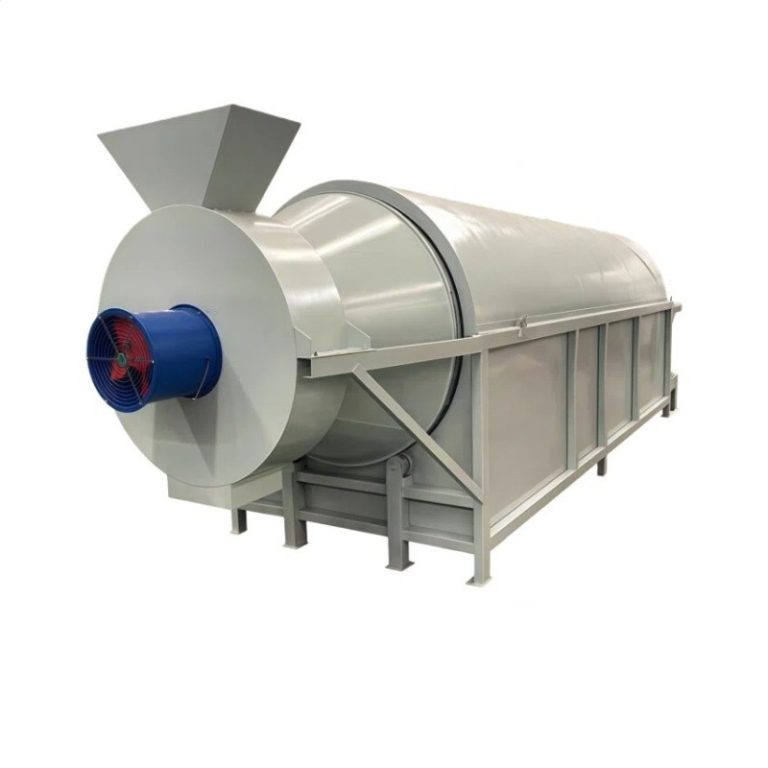
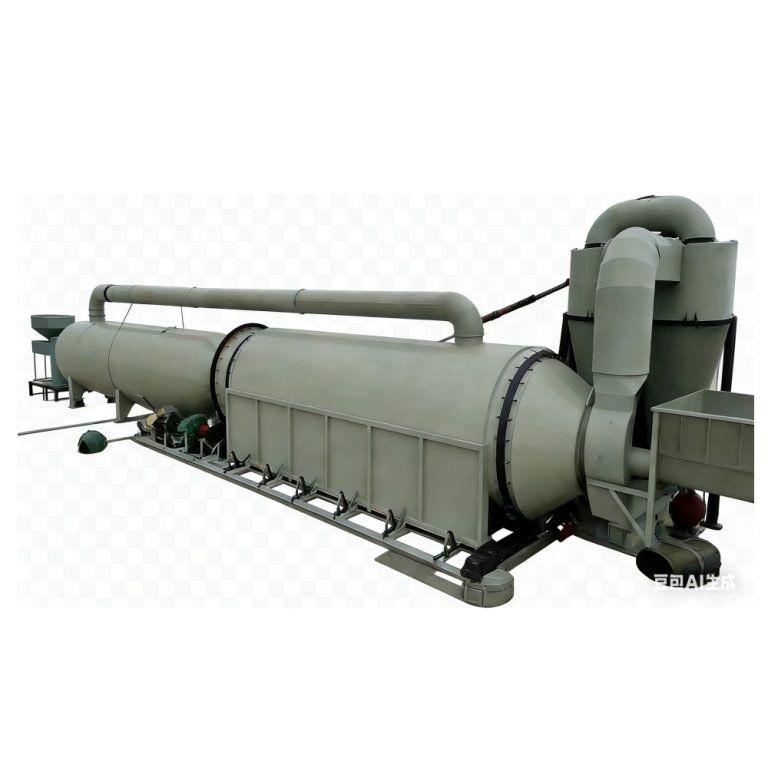
Sludge dryers are widely used for drying electroplating sludge, copper sludge, printing and dyeing sludge, papermaking sludge, domestic sludge and other materials in building materials, chemical, construction and dyestuff industries. They deliver particularly remarkable drying effects for electroplating sludge and printing and dyeing sludge. Upgraded by our company, the new-generation sludge dryers feature greater energy saving and consumption reduction.
【Feed Particle Size】: ≤300mm
【Processing Capacity】: 5-60t/h
【Application Scope】: Building materials, chemical, construction, dyestuff industries, etc.
【Applicable Materials】: Electroplating sludge, printing and dyeing sludge, river bottom sludge, copper sludge, activated sludge, coal slime, etc.
【Processing Capacity】: 5-60t/h
【Application Scope】: Building materials, chemical, construction, dyestuff industries, etc.
【Applicable Materials】: Electroplating sludge, printing and dyeing sludge, river bottom sludge, copper sludge, activated sludge, coal slime, etc.


Product Advantages
- Continuous operation with large production capacity;
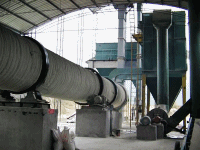
- Two-stage dust removal for clean and environmental protection;
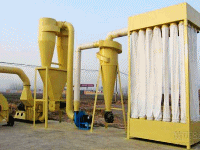
- High operational flexibility and strong adaptability to various materials;
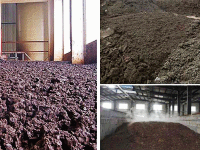
- Adaptable to viscous materials with added rapping and dispersing devices;
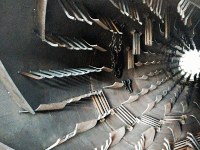
- Stable operation, low failure rate, low maintenance cost and long service life;
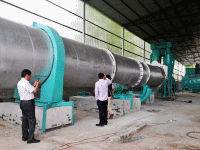
- Negative pressure operation with fish scale sealing, achieving zero air leakage.
Working Principle
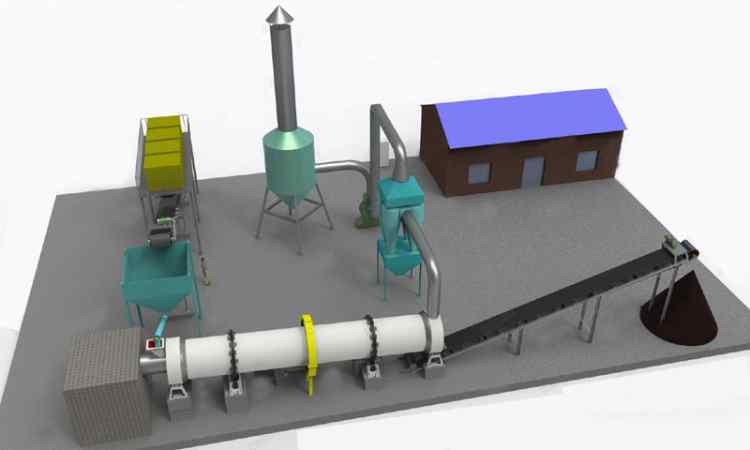
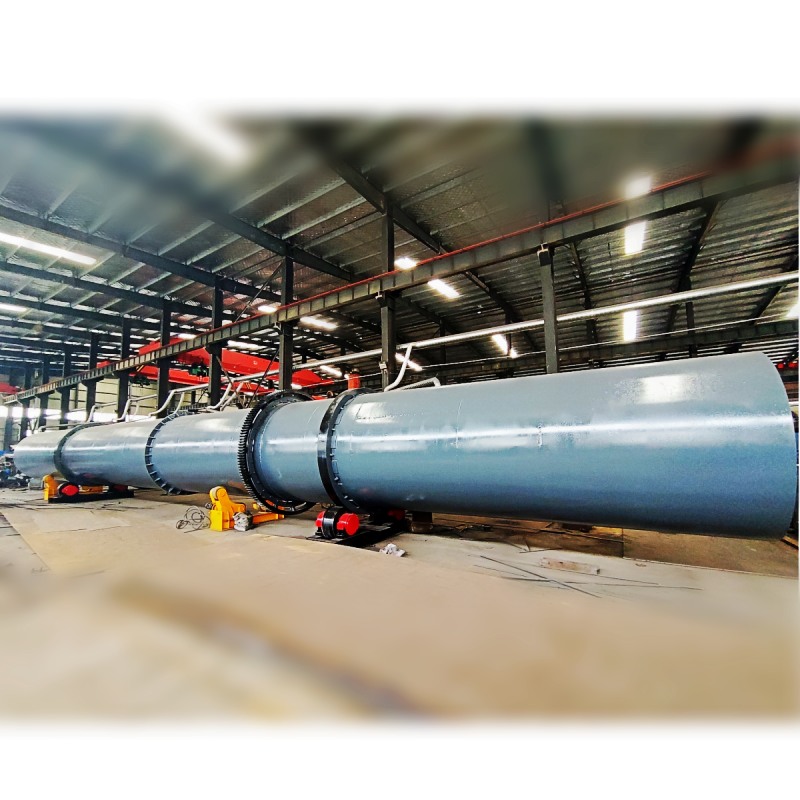
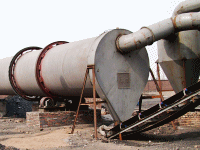
The heat source of the sludge dryer comes from a combustion device, and this dryer adopts a co-current heating method. Materials to be dried enter the cylinder through the feed hopper and feed chute, and are then pushed to the rear end by spiral lifting plates. As the dryer is installed at an incline, the materials flow to the rear end under gravity and rotation force. Meanwhile, the materials are repeatedly lifted by the plates, brought to the upper part and continuously scattered down, forming a uniform material curtain inside the cylinder. This enables full heat exchange between the materials and the hot air flow in the cylinder. The moisture contained in the materials is gradually removed through repeated scattering, thus achieving the drying purpose.
Technical Parameters of Sludge Dryer
| Model (mm) | Inclination (%) | Rotating Speed (r/min) | Inlet Air Temperature (℃) | Power (kw) | Production Capacity (t/h) | Weight (t) |
|---|---|---|---|---|---|---|
| Ф800×8000 | 3-5 | 3-8 | ≤700 | 4 | 0.8-2.0 | 3.5 |
| Ф800×10000 | 3-5 | 3-8 | ≤700 | 4 | 0.8-2.5 | 4.5 |
| Ф1000×10000 | 3-5 | 3-8 | ≤700 | 5.5 | 1.0-3.5 | 5.6 |
| Ф1200×10000 | 3-5 | 3-8 | ≤700 | 7.5 | 1.8-5 | 14.5 |
| Ф1200×12000 | 3-5 | 3-8 | ≤700 | 11 | 2-6 | 14.8 |
| Ф1500×12000 | 3-5 | 2-6 | ≤800 | 15 | 3.5-9 | 17.8 |
| Ф1800×12000 | 3-5 | 2-6 | ≤800 | 18 | 5-12 | 25 |
| Ф2200×12000 | 3-5 | 1.5-6 | ≤800 | 18.5 | 6-15 | 33 |
| Ф2200×18000 | 3-5 | 1.5-6 | ≤800 | 22 | 10-18 | 53.8 |
| Ф2200×20000 | 3-5 | 1.5-6 | ≤800 | 30 | 12-20 | 56 |
| Ф2400×20000 | 3-5 | 1.5-5 | ≤800 | 37 | 18-30 | 60 |
| Ф3000×20000 | 3-5 | 1.5-5 | ≤800 | 55 | 25-35 | 78 |
| Ф3000×25000 | 3-5 | 1.5-5 | ≤800 | 75 | 32-40 | 104.9 |