

Product Introduction
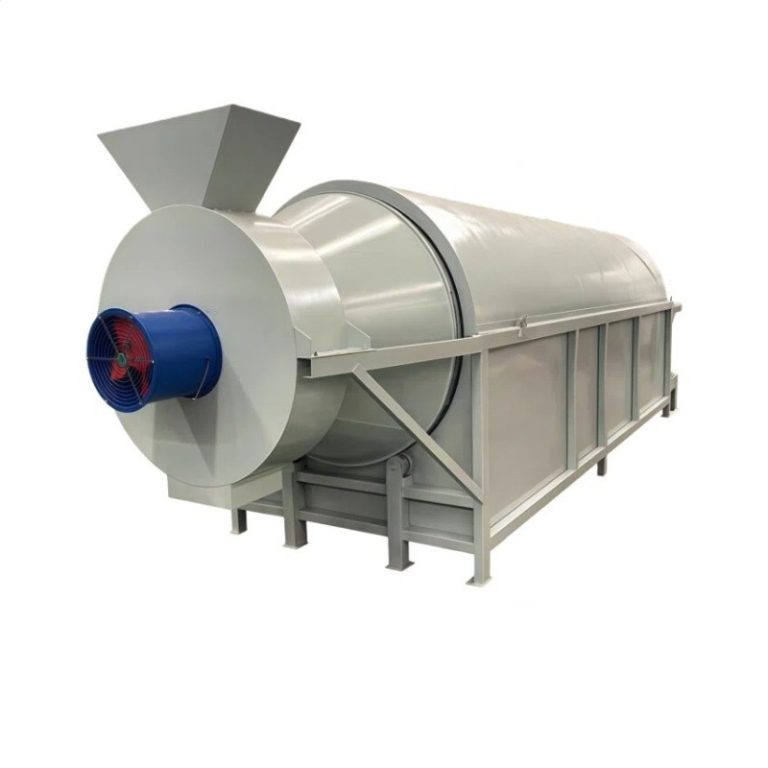
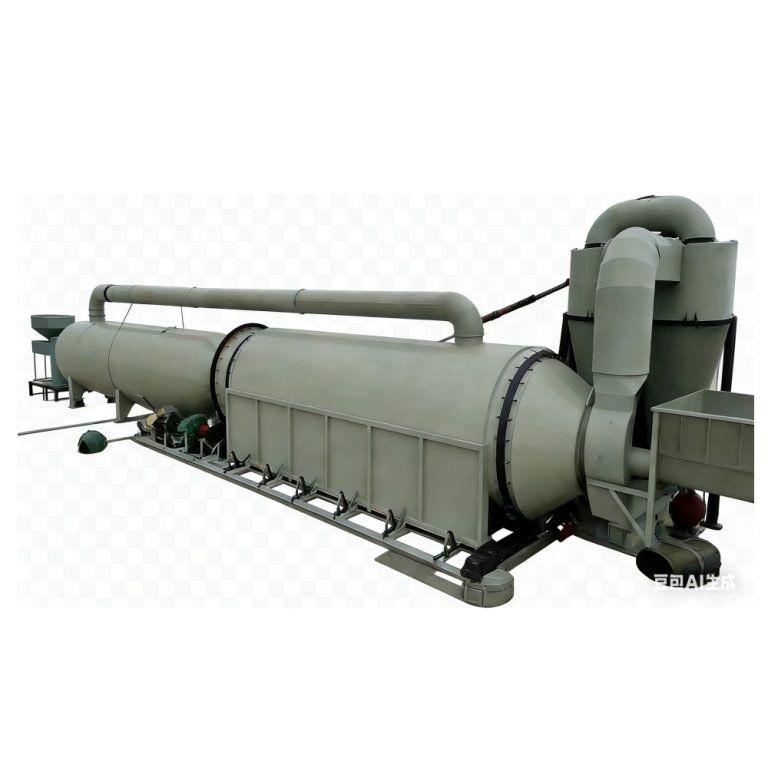
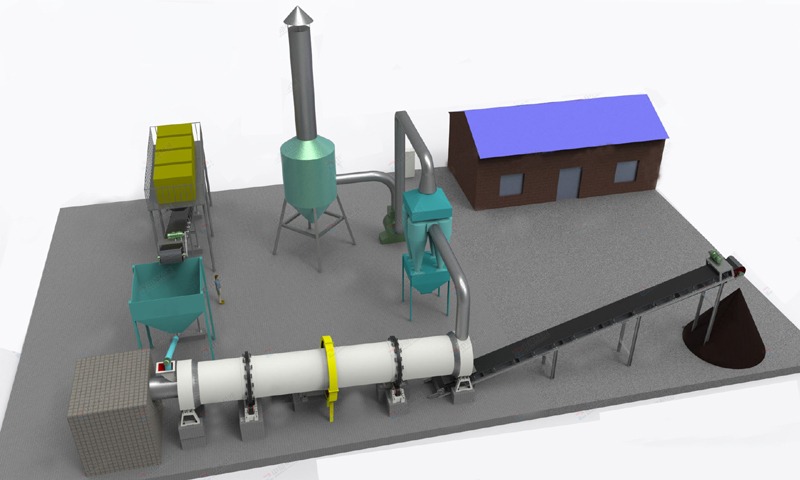
The desulfurization gypsum dryer is mainly composed of a heat source, a dispersing device, a belt feeder, a feeding machine, a rotary drum, a belt discharge machine, an induced draft fan, a discharger and a power distribution cabinet.
Feed Particle Size: ≤50mm
Processing Capacity: 5-30t/h
Application Scope: For material drying in cement, mining, building materials, chemical industry, grain, compound fertilizer production and other industries.
Applicable Materials: Gypsum, desulfurization gypsum, phosphogypsum, ore, blast furnace slag, coal, metal powder, phosphate fertilizer, ammonium sulfate. It is also suitable for drying powdery and granular materials with special requirements.
Processing Capacity: 5-30t/h
Application Scope: For material drying in cement, mining, building materials, chemical industry, grain, compound fertilizer production and other industries.
Applicable Materials: Gypsum, desulfurization gypsum, phosphogypsum, ore, blast furnace slag, coal, metal powder, phosphate fertilizer, ammonium sulfate. It is also suitable for drying powdery and granular materials with special requirements.


Product Advantages
- Continuous operation with large production capacity;
- Low resistance of hot air passing through the cylinder and low energy consumption;
- Suitable for viscous materials with the addition of rapping and dispersing devices.
Working Principle
Desulfurization gypsum itself has high humidity and strong cohesiveness. During the drying process, wet desulfurization gypsum is transported to the desulfurization gypsum dispersing equipment via a belt conveyor. The lumpy desulfurization gypsum after rapid dispersion enters the negative pressure dryer and then goes through the following working zones:
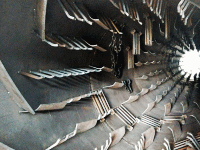
- Material Guiding Zone: After wet desulfurization gypsum enters this zone and contacts with high-temperature negative pressure hot air, a large amount of moisture is evaporated rapidly. Driven by the lifting boards with a large guide angle, the desulfurization gypsum is guided to the next working zone without caking.
- Cleaning Zone: Wet desulfurization gypsum is lifted by the lifting boards to form a material curtain in this zone, and the material is prone to sticking to the drum wall when falling. Equipped with a cleaning device in this zone, the device can quickly remove the desulfurization gypsum adhering to the drum wall. In this process, the cleaning device also crushes agglomerated materials, thereby increasing the heat exchange area, improving the efficiency of heat and mass transfer, and raising the drying rate.
- Inclined Lifting Board Zone: This is a low-temperature drying zone where the desulfurization gypsum is in a loose state with low moisture content and no caking occurs. After heat exchange, the finished product meets the required moisture content and moves to the final discharge zone.
- Discharge Zone: No lifting boards are installed on the drum of the main drying machine in this zone. The material rolls and slides to the discharge port here, completing the entire drying process.
Technical Parameters
Technical Parameters of Desulfurization Gypsum Dryer
| Equipment Specification (mm) | Processing Capacity (t/h) | Motor Power (kw) | Feed Moisture (%) | Coal Requirement (kcal/kg) | Discharge Moisture (%) |
|---|---|---|---|---|---|
| Φ1200×12000 | 1-3 | 11 | 20±5 | ≥5500 | ≤3 |
| Φ1500×16000 | 3-6 | 15 | 20±5 | ≥5500 | ≤3 |
| Φ1800×18000 | 7-10 | 18.5 | 20±5 | ≥5500 | ≤3 |
| Φ2000×18000 | 10-12 | 22 | 20±5 | ≥5500 | ≤3 |
| Φ2200×20000 | 12-15 | 30 | 20±5 | ≥5500 | ≤3 |
| Φ2400×20000 | 15-20 | 37 | 20±5 | ≥5500 | ≤3 |
| Φ2600×20000 | 25-30 | 55 | 20±5 | ≥5500 | ≤3 |